Loaded Cookie Dessert Spread: How to Choose and Serve It
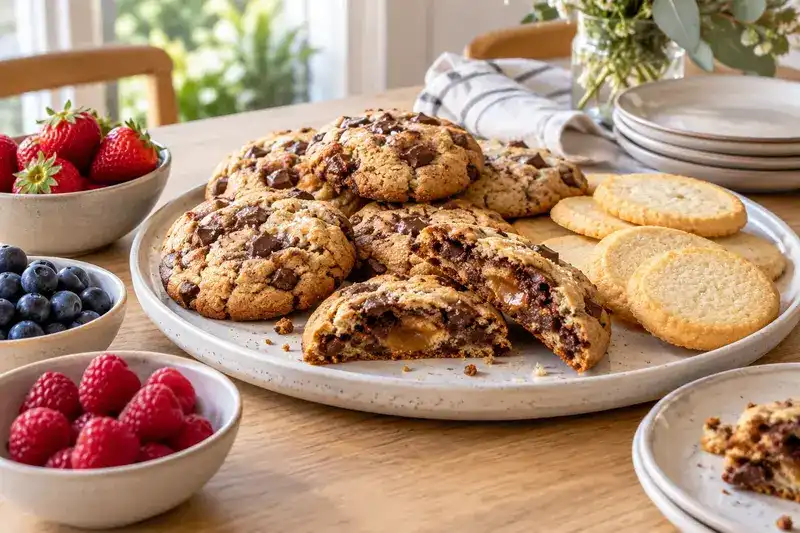
A loaded cookie dessert spread works best when rich filled cookies have a clear place alongside lighter bakery treats. Start with the type of gathering, then choose a manageable selection that guests can serve and enjoy comfortably.
Treat the platter as a small menu. Give each item a purpose, keep the arrangement easy to navigate and plan how the food will reach the table.
What role should cookies play in your dessert spread?
Decide whether the cookies are the main dessert, a shared tasting option or a small addition to a larger bakery selection. That choice shapes your order more usefully than a photograph of an overflowing board.
For a seated meal, a clearly portioned dessert keeps service straightforward. At an afternoon gathering, guests may prefer to choose between a pastry and a piece of cookie. A birthday table might need room for the cake before any other sweets arrive.
Filled cookies deserve particular attention because the centre changes how they cut and serve. Goldelucks' explanation of loaded cookies describes thick cookies with rich fillings. Use that description to distinguish them from a thin biscuit, rather than assuming every bakery makes the same style.
When comparing loaded cookies for your selection, check the current flavour descriptions and item details before ordering. A filling, topping or spread name tells you something about the flavour, but it does not establish portion size or dietary suitability.
Write a simple brief first: the occasion, the expected guests and the role of the dessert. Keep that brief beside you while comparing options. It helps you avoid buying several items that all deliver the same eating experience.
Which flavours belong together on a bakery platter?
Choose contrast across the selection so that each cookie or pastry offers a different reason to take a piece. A useful comparison includes flavour, texture and the richness of the filling.
A chocolate-filled cookie can provide the richest option. A plain shortbread offers a simpler alternative. A lightly flavoured pastry can give guests a choice that does not depend on chocolate or a sweet spread.
Caramel and spiced biscuit flavours can occupy similar territory. If you choose both, compare the rest of the selection before adding another sweet, buttery item. You may get more variety from a different pastry texture than from another filling with a similar profile.
Keep fresh fruit in its own small dish if you want an accompaniment. This makes it easier to replace independently and prevents fruit juice from reaching the biscuits. The fruit does not need to fill every gap on the platter.
For presentation ideas beyond cookies, the guide to custom artisan pastry gift boxes provides a useful starting point for considering a mixed bakery selection. Check actual availability with your supplier rather than treating an editorial example as a current menu.
An example tasting selection might combine a chocolate cookie, a spiced filled cookie and a plain baked item. This is a planning example, not a required formula. Adjust it around the preferences you know, particularly when the gathering is small.
How much should you order for a shared dessert table?
Plan the number of pieces you intend to serve before converting that figure into whole cookies. A large cookie divided for tasting and a small cookie served intact are different purchasing units.
Suppose you are arranging a tasting plate for eight adults and decide to offer two small cookie pieces each. That creates a target of sixteen pieces. If your chosen cookies can be divided neatly into quarters, four whole cookies supply that planned amount.
The arithmetic does not mean four cookies will suit every group. The example depends on the actual size, the ability to cut them and the presence of other food. It illustrates why the number of whole cookies is a poor starting point on its own.
Ask the bakery these questions before finalising quantities:
- What is the approximate size of each item?
- Can this particular filling be cut cleanly?
- Are smaller versions available?
- Will the assortment arrive individually packed or together?
- Can you specify flavours, or is the selection fixed?
Build your budget from the complete order, including any packaging or delivery charge shown at checkout. Compare the total against your planned servings. Avoid making value judgements from the price of a single cookie without checking its size and the rest of the menu.
If guests have different dietary needs, allocate their suitable items separately. Those portions should remain available for the intended guests instead of disappearing into the general assortment.
How should you cut and arrange filled cookies?
Test one cookie before cutting the entire batch, because a neat whole cookie does not always become a neat tasting portion. Follow any handling or warming instructions supplied with the product.
Put the test cookie on a stable cutting board and use a clean knife. Check whether the filling stays inside the piece and whether the base holds together. If it breaks apart, serving whole cookies on small plates may be easier than forcing a board arrangement.
Next Level Baker's dessert-board guide suggests cutting larger sweets into smaller pieces for sampling. With a filled bakery product, use that idea only after checking the individual item. A soft centre needs different handling from a firm biscuit.
Choose a level platter with enough space to lift a piece without brushing neighbouring food. A crowded display can look generous in a photograph while being awkward at the table. Set the serving tongs beside the item they belong to.
Arrange each flavour in a recognisable group. Place a small label near the group, with the packaging information available elsewhere. Guests should be able to identify an item without picking it up or asking several people.
Avoid balancing heavy cookies on fragile pastries. Use a second plate if the available platter is too small. Separate plates also make it easier to replenish one item without rebuilding the whole display.
What should you check about ingredients and allergies?
Keep the original ingredient and allergen information, and ask the supplier directly when suitability is uncertain. A flavour name or a photograph cannot answer an allergy question.
Food Standards Australia New Zealand's allergen-labelling guidance explains that individual tree nuts must be identified by their required names. Its guidance also covers allergen information for food sold without a label, such as café food.
For a cookie assortment, relevant ingredient checks may include wheat, milk, egg, soy and particular nuts. Hazelnut and pistachio are different ingredients and should not be treated as interchangeable descriptions. Read the actual product information rather than copying a generic list onto your board.
Ask guests about their needs before placing the order. If someone needs an item protected from contact with other food, discuss whether the supplier can provide a suitable separately packed option. Do not describe a shared platter as safe for that person simply because one cookie appears to lack the ingredient.
Use separate serving utensils where necessary, and keep reserved portions in their original packaging until they are handed over. A handwritten flavour card is helpful for navigation, but it is not a replacement for the supplier's ingredient information.
Vegetarian, vegan and gluten-free descriptions answer different questions. None should be used as a shortcut for checking a specific allergy. Where the information is incomplete, leave the item out of the relevant guest's selection.
What belongs in your bakery order brief?
A useful order brief gives the supplier enough detail to confirm the products, quantities and collection arrangements without guessing. Put the important points in writing and retain the confirmation.
Include the following:
- The date and intended collection or delivery window.
- Each item and flavour, with the quantity beside it.
- Any request for individually packed or reserved portions.
- Questions about ingredients, handling and cutting.
- Whether substitutions need your approval.
- The agreed packaging and transport arrangements.
If you are adding other baked goods, review ideas for ordering seasonal treats in Melbourne. Seasonal examples can help shape the order, but availability still needs a current confirmation.
For a larger event, the discussion of custom breads and pastries catering can help you consider how dessert fits the wider bakery menu. Confirm the supplier's actual services before relying on collection, delivery or catering arrangements.
Plan the journey as part of the order. Use packaging that supports the food and keeps it level. Keep strong-smelling savoury items away from the sweets, and follow the supplier's storage instructions throughout transport.
Do not assume every filled cookie should be refrigerated, warmed or held at room temperature. The filling and recipe matter. If instructions are missing, ask before the event instead of borrowing a storage time from an unrelated recipe.
How do you make the dessert table easy to use?
Set up plates, napkins, labels and serving tools before bringing out the food. Guests should see where to start and where to put a used utensil without reaching across the platter.
Keep any reserve stock covered and identified. Refill the matching group when needed, retaining the original product information with the spare items. Avoid pouring different flavours into an unlabelled gap just because the platter has room.
Nominate one person to manage the table if the gathering is busy. Their job is practical: replace a dropped utensil, answer where the packaging is kept and bring out the correct reserve items. They should not guess answers about ingredients.
After service, separate leftovers according to their packaging and the supplier's instructions. Keep food with uncertain handling history out of any takeaway boxes you prepare for guests. Label retained items so their identity is clear later.
A loaded cookie dessert spread earns its place through thoughtful selection and straightforward service. Leave enough room for people to choose, make the information easy to find and let each bakery item stand on its own.

Clara Whitmore
Welcome to King Street Bakery, where the aroma of freshly baked bread greets you the moment you step through our doors. Imagine the golden crust crackling beneath your fingers as you pull apart our signature sourdough loaf, still warm from the oven. As a passionate baker with a decade of culinary experience, I specialize in artisan baking, dedicated to sharing the joys and techniques of creating delectable breads, pastries, and cakes.
My love for local ingredients and community connection shines through every creation, inviting you to indulge in the delightful world of baking. Have you ever wondered what makes a bakery truly special? It’s the passion infused into every loaf and pastry, a love letter to the art of baking that we can’t wait to share with you. Join us, and let’s make every bite tell a story at King Street Bakery!
Popular Posts
Loaded Cookie Dessert Spread: How to Choose and Serve It
![Loaded cookie dessert spread with chocolate-filled cookies, shortbread and separate bowls of berries]() A loaded cookie dessert spread works best when rich filled cookies have a clear place alongside ligh
A loaded cookie dessert spread works best when rich filled cookies have a clear place alongside ligh
 A loaded cookie dessert spread works best when rich filled cookies have a clear place alongside ligh
Selecting Artisan Bread for Meals
![How to Choose the Perfect Artisan Bread for Your Next Meal]() What if every loaf of bread could tell a story? At King Street Bakery, we believe that artisan bread
What if every loaf of bread could tell a story? At King Street Bakery, we believe that artisan bread
 What if every loaf of bread could tell a story? At King Street Bakery, we believe that artisan bread
Ordering Seasonal Treats in Melbourne
![How to Order Seasonal Bakery Treats for Your Next Melbourne Gathering (Catering & Bulk Orders)]() What if your next gathering could leave a lasting impression on your guests? Seasonal bakery treats
What if your next gathering could leave a lasting impression on your guests? Seasonal bakery treats
 What if your next gathering could leave a lasting impression on your guests? Seasonal bakery treats
Custom Breads and Pastries Catering
![Order Custom Artisan Breads and Pastries for Catering from King Street Bakery]() What if your next event featured baked goods that not only taste incredible but also embody the arti
What if your next event featured baked goods that not only taste incredible but also embody the arti
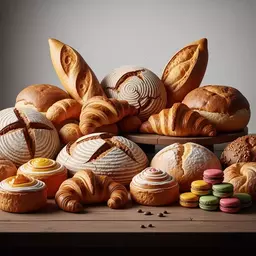 What if your next event featured baked goods that not only taste incredible but also embody the arti
